
Avoid these common challenges to ensure your school stands out for the right reasons. Every school in Dubai is familiar with the


Curriculum
 By sadir Khan
December 02, 2025
By sadir Khan
December 02, 2025
Top 5 Mistakes Schools Make During KHDA Inspection
By sadir Khan
December 02, 2025
Avoid these common challenges to ensure your school stands out for the right reasons.
Every school in Dubai is familiar with the significance of the KHDA (Knowledge and Human Development Authority) inspection. It’s more than just a rating, it’s a reflection of a school’s quality, vision, and impact on students’ lives. Yet despite all the preparation, many schools fall short of their potential by making preventable mistakes.
KHDA inspections aren’t just about ticking boxes. They’re designed to measure the real depth of a school’s performance , from leadership to learner outcomes. And while most schools strive for excellence, certain recurring errors can seriously hurt their evaluation.
Whether you’re aiming to maintain your “Good” rating or striving to move into the “Very Good” or “Outstanding” category, avoiding these five critical mistakes can make all the difference.
1. Superficial Documentation Over Substance
One of the most common errors is prioritizing appearance over authenticity. Some schools over-focus on preparing polished files, displays, or rehearsed scripts — but inspectors are trained to look beyond that.
What goes wrong:
- Policies look great on paper but aren’t implemented in classrooms.
- Data dashboards are presented, but staff cannot interpret or act on the findings.
- Action plans are generic or copy-pasted, lacking context.
What to do instead:
- Ensure your documents align with lived practice.
- Empower your team to confidently discuss what they do — not just what’s written.
- Invest time in authentic, reflective planning rather than performative preparation.
2. Weak Understanding of the Framework
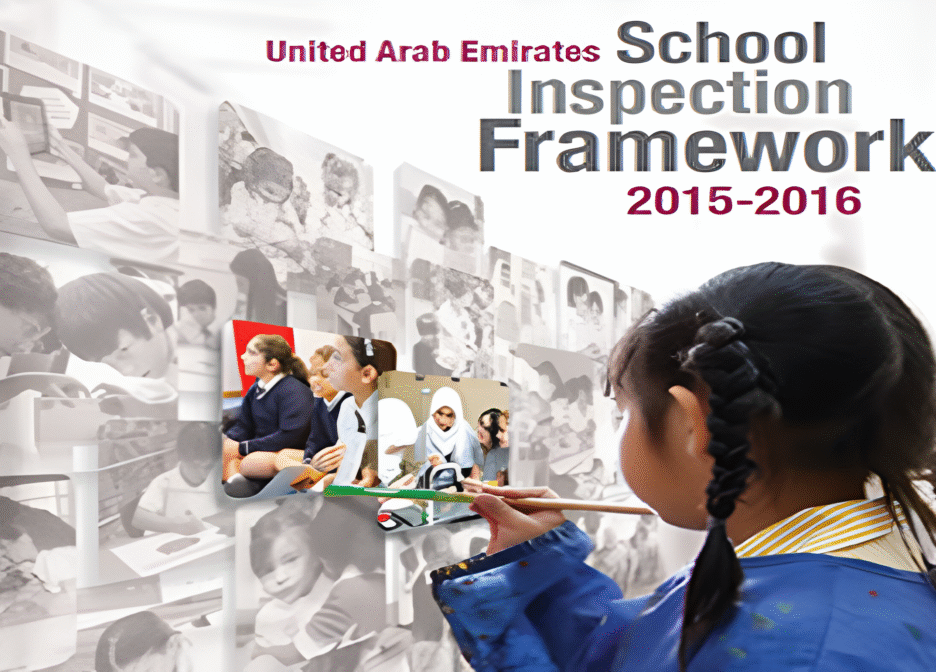
KHDA inspections are guided by a detailed School Inspection Framework, updated periodically to reflect national and international priorities (including moral education, inclusion, wellbeing, and Emirati student outcomes).
What goes wrong:
- Staff are unaware of the framework indicators.
- Leadership teams focus on older priorities and miss key inspection trends.
- Teaching staff aren’t trained in how their everyday practice contributes to inspection judgments.
What to do instead:
- Embed the KHDA framework in professional development, internal reviews, and goal setting.
- Help teachers understand their role in every judgment area (especially Quality of Teaching, Curriculum, and Student Personal Development).
- Use mock inspections or internal audits based on the same rubric KHDA uses.
3. Gaps in Inclusive Education and SEND Provision
KHDA places strong emphasis on inclusive education and support for students of determination (SEND). Schools often fall short here — not because they lack intention, but because they lack consistency.
What goes wrong:
- Inclusion is seen as the job of the SENCO, not the whole school.
- Limited or no evidence of adapted teaching, accommodations, or measurable progress.
- Parents of determination are not meaningfully involved.
What to do instead:
- Promote a whole-school inclusive culture, backed by training and classroom evidence.
- Maintain updated IEPs, progress tracking, and case studies.
- Ensure inclusive education is visible in every classroom, not just special needs units.
4. Ignoring Student Voice and Wellbeing
Student wellbeing is no longer a buzzword, it’s a priority area. KHDA inspectors are increasingly focused on how schools nurture emotional health, agency, and voice.
What goes wrong:
- No structured wellbeing programs or measurable impact.
- Students are unable to articulate their role in the school’s improvement journey.
- Student council exists in name only, with no real empowerment.
What to do instead:
- Integrate student voice in surveys, school improvement planning, and curriculum design.
- Appoint wellbeing leads or champions, and collect data on student wellbeing.
- Run genuine student-led initiatives to demonstrate empowerment.
5. Unprepared Middle Leadership and Teaching Staff
While senior leaders often prepare well for inspections, middle leaders and teachers can sometimes feel left out or unprepared to articulate their impact.
What goes wrong:
- Department heads can’t speak confidently about attainment trends or improvement strategies.
- Teachers are unaware of school priorities or recent inspection feedback.
- Teaching strategies observed are inconsistent across classrooms.
What to do instead:
- Involve middle leaders in self-evaluation, data discussions, and strategic planning.
- Provide coaching on talking to inspectors — confidently and honestly.
- Conduct peer reviews or walkthroughs to raise awareness of consistency and expectations.
Final Thought:
KHDA inspections are an opportunity to showcase the heart of your school. Avoiding these common mistakes helps ensure that your team is confident, your practices are authentic, and your students are thriving.
Remember: inspectors are not there to catch you out. They’re there to partner in improvement. If your school can demonstrate clear intent, effective implementation, and measurable impact, success will follow.
Need help preparing your school for KHDA inspections?
At Synapsis, we provide mock inspections, leadership coaching, inclusion audits, and documentation reviews to help you excel in every domain.
Let us partner with you in your school’s journey to excellence.